
TR19 Duct Cleaning and Certification
Grease can build up inside kitchen ductwork without being visible from the canopy below. Dust, debris and other deposits can also collect within ventilation systems, restricting airflow and affecting the condition of the indoor environment.
If cleaning records are incomplete, access to the ductwork is limited or you do not know when the system was last inspected, it can be difficult to show that the risks are being properly managed.
Clean Valley provides professional TR19 duct cleaning for commercial kitchens, hospitality venues, workplaces and industrial premises. We inspect the system, clean the accessible internal surfaces and provide clear post-clean documentation showing the work completed.
Our fully insured team works across Middlesbrough, Teesside and the wider North East. Wherever possible, cleaning is arranged around your operating hours to reduce disruption to staff, customers and day-to-day business.


What Is TR19?
TR19 is a specification published by the Building Engineering Services Association for the cleanliness and hygiene of ventilation systems. TR19 Air covers general ventilation hygiene and indoor air quality. TR19 focuses on grease accumulation and fire risk within commercial kitchen extraction systems. It sets out recognised practices for inspection, cleaning, access and post-clean verification.
Further information is available from the Building Engineering Services Association TR19 guidance.
Do You Need TR19 Air or TR19 Grease Cleaning?
The service you need will depend on the type of ventilation system and the deposits found inside it.
TR19 Grease for Commercial Kitchen Extraction Systems
TR19 Grease is relevant to restaurants, cafés, pubs, hotels, schools, care facilities, takeaways and other premises with a commercial kitchen.
Cooking vapours travel through the canopy, filters, kitchen ductwork and extract fan. Over time, grease deposits can collect on internal surfaces. If a kitchen fire reaches the extraction route, this grease may act as fuel and allow the fire to spread into hidden areas.
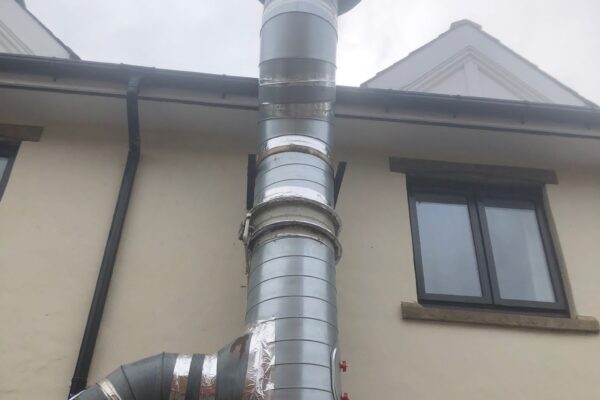
Our commercial kitchen duct cleaning service covers the accessible extraction route rather than focusing only on the visible canopy. This may include filters, plenums, horizontal and vertical ductwork, fans, fan housings and discharge points.
TR19 Air for Ventilation Hygiene
TR19 Air relates to the internal cleanliness of general ventilation systems. Dust levels, debris, mould and other contamination may restrict airflow or affect the air supplied to building occupants.
A TR19 Air inspection helps facilities managers understand the current state of the system and whether cleaning is required. Our ventilation cleaning service can remove accumulated dust and debris from accessible ductwork and ventilation components.
Regular inspection may also identify damaged sections, poor access or maintenance issues before they become more difficult to resolve.


Why Is TR19 Compliance Important?
TR19 compliance is not simply about making the outside of a system look clean. It provides a recognised way to assess ventilation cleanliness, carry out the required work and record the results. For businesses and facilities managers, this can support:
- Fire risk management in commercial kitchens
- Evidence of regular cleaning and maintenance
- Insurance and landlord requirements
- Better ventilation hygiene and air quality
- Improved airflow through clean system components
- Due diligence during fire safety or facilities inspections
- Planning for future cleaning at suitable intervals
TR19 itself is not a standalone law. However, business owners, landlords and responsible persons have legal obligations relating to fire safety, workplace safety and the maintenance of their premises.
Clear inspection records, before and after photos and post-clean reports can help demonstrate that these duties are being taken seriously.
What Happens During TR19 Duct Cleaning?
Each system is different, so we assess the premises before agreeing on a cleaning method, access requirements and likely timescale.
1. Initial Discussion and System Review
We will ask about the type of premises, operating hours, previous cleaning records and any current concerns. These may include:
- Visible grease around the canopy or filters
- Reduced airflow
- Persistent cooking odours
- Dust leaving ventilation grilles
- Missing access panels
- Uncertainty about the previous cleaning date
- A request from an insurer, landlord or facilities manager
Where available, previous reports can help us understand the system description, earlier grease levels and areas that may have been difficult to access.
2. Inspection and Written Scope
The extraction or ventilation system is inspected to identify contamination, access points and the sections requiring attention.
For kitchen extraction systems, grease thickness may be assessed in representative areas. This helps determine the current risk and whether the existing cleaning frequency remains suitable.
We then provide a quotation based on the condition and layout of the system.
3. Access to the Ductwork
Effective duct cleaning depends on suitable access. A system cannot be properly inspected or cleaned if large sections are unreachable.
Where required, additional access panels may be recommended. Clean Valley also provides commercial ventilation installation and alteration services where a system needs improved access, replacement ductwork or related maintenance.
Any access limitations will be explained rather than hidden from the final report.
4. Cleaning the Internal System
Cleaning practices are selected according to the type of system, the deposits present and the level of contamination.
For a kitchen extraction system, the work may cover:
- Canopies and plenums
- Grease filters
- Accessible internal ductwork
- Extract fans and fan housings
- Vertical and horizontal sections
- Discharge points
The aim is to remove grease accumulation from the extraction route, including the areas that cannot be seen during normal kitchen use.
For general ventilation systems, cleaning focuses on accumulated dust, debris and other internal contamination.
If the inspection identifies damaged or poorly performing equipment, our commercial extraction system services can help with repairs, alterations or replacement options.
5. Post-Clean Verification and Reporting
Once cleaning is complete, the accessible areas are checked and recorded.
Depending on the agreed scope, post-clean documentation may include:
- The site and system description
- Areas inspected and cleaned
- Before and after photos
- Grease thickness or cleanliness readings
- Details of access panels used or fitted
- Sections that could not be reached
- Maintenance or repair recommendations
- The suggested date for the next inspection
This gives you a clear record of the work rather than a simple invoice stating that cleaning took place.
Need to check whether your system is due for cleaning? Send us your previous report or speak to our team about arranging an inspection.
Customer Testimonial
I've used Clean Valley a number of time to carry out cleaning work for me. The team are really friendly and they always provide a professional cleaning service. Very affordable commercial cleaning service.

What Is a TR19 Certificate?
A TR19 Certificate is commonly used to describe the certificate or post-clean documentation issued after relevant inspection and cleaning work.
The value of the document depends on the evidence behind it. Before appointing a contractor, ask whether the report will identify the areas cleaned, provide photographic evidence and clearly record any sections that could not be accessed.
Clean Valley provides post-clean documentation based on the work agreed for your premises. The exact reporting requirements will be confirmed before the service begins.
A completion certificate should not be confused with BESA membership or Ventilation Hygiene Register accreditation. Where a landlord, insurer or procurement policy requires a specific registration, this should be checked before arranging the work.
How Often Is TR19 Cleaning Required?
There is no single cleaning frequency suitable for every ventilation or extraction system.
A commercial kitchen producing high levels of grease for long hours is likely to need more regular inspection than a kitchen used occasionally for light cooking. The suitable interval may depend on:
- Daily operating hours
- Cooking methods
- Volume of food prepared
- Grease levels found during inspection
- Ductwork length and design
- Fan performance
- Previous cleaning results
Do not wait for grease to drip from the canopy, strong odours to develop or airflow to fall noticeably. These may indicate that contamination has already reached a serious level.
A practical maintenance schedule should be based on inspection findings and reviewed when menus, equipment or operating hours change.
Will TR19 Duct Cleaning Disrupt the Business?
Cleaning usually requires the relevant extraction or ventilation system to be switched off. For commercial kitchens, this means work is commonly arranged outside food preparation and service hours.
The time required depends on:
- The size and layout of the system
- The level of grease or dust
- The number of access points
- Whether panels need to be installed
- The height and position of the ductwork
- The condition of the fans and other components
We will discuss access and operating times before the work is booked. This allows the cleaning to be planned around your business wherever reasonably possible.
How Much Does TR19 Duct Cleaning Cost?
TR19 duct cleaning is priced according to the actual system rather than a standard rate.
Quotation factors can include:
- Ductwork length and number of extraction routes
- Grease thickness or dust levels
- Existing access arrangements
- High-level or difficult-to-reach sections
- The number of canopies and fans
- Access panels or repairs required
- The level of post-clean verification requested
- Working hours and site restrictions
Providing system drawings, photographs or a previous cleaning report may help us understand the work before visiting the premises. A site inspection may still be required where the system layout or internal condition is unclear.
Why Choose Clean Valley?
Clean Valley has practical experience cleaning commercial kitchens, ventilation systems and extraction equipment across the North East.
Customers choose our team because we provide:
- A clear assessment of the work required
- Cleaning based on the full accessible system
- Flexible appointments around operating hours
- Before and after photographic evidence where agreed
- Honest reporting of access limitations
- Support with ventilation and extraction maintenance
- A responsive local team
- Fully insured commercial cleaning services
We do not treat every building or extraction system in the same way. The service is planned around the layout, current cleanliness and operational needs of your premises.
Arrange Your TR19 Inspection and Cleaning
Uncertain cleaning records, hidden grease and poor access can leave facilities managers without a clear picture of the system’s condition.
Clean Valley can inspect your ventilation or kitchen extraction system, explain what work is required and provide a clear quotation. Once cleaning is complete, you will receive the agreed post-clean documentation for your records.
Call 01642 265848 or contact Clean Valley to request a TR19 duct cleaning quote.
Keep your ventilation system clean, reduce avoidable fire risk and put a practical maintenance plan in place.